From order to workshop
How We Work
From a straightforward shop order to a fully made-to-measure bridle, the process should always be clear.
1. Start with the horse and the class
For bespoke work we begin with the horse or pony, the type of bridle or showing equipment required and how it will be used. The traditional range covers in-hand and ridden showing across native, hunter, riding pony, cob, coloured and riding-horse types.
2. Measure the individual horse
The workshop's measuring sheets record the dimensions needed for the relevant bridle rather than relying on a generic size label. If a bitted in-hand bridle is being ordered, the sheet also asks for the type of bit and the size of its ring.
3. Choose proportion as well as style
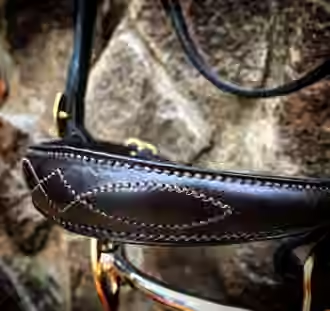
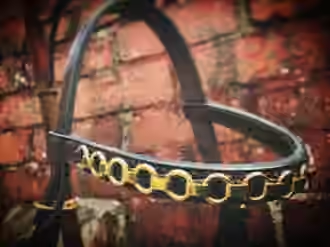
Leather width is selected to suit the head. Browbands and nosebands can be plain, raised or fancy stitched, and the traditional range includes several rein constructions and widths. These choices are part of how the finished bridle balances the horse's features.
4. Cut and prepare the leather
The recorded workshop process includes hand cutting, edging, edge staining and binding and hot creasing. Each bridle is started and completed by one individual.
5. Stitch and finish by hand
The workshop specification records hand stitching at 9 to 12 stitches per inch using 3/18 best linen thread, followed by hand polishing. It specifically states that machine stitching is not used for this work.
6. Check before dispatch or collection
The finished work is checked against the agreed specification. Stock items can be dispatched or collected from Kenfig Hill; bespoke lead times depend on the work involved and are confirmed for the order.